Loading...
Serving Rialto, CA and surrounding areas. (909) 546-5159
Rialto Concrete and Masonry is a masonry contractor serving Grand Terrace, CA with brick wall installation, concrete block walls, and retaining wall construction for homeowners throughout this city - we have worked in the Inland Empire since 2020, and we respond to new inquiries within one business day.
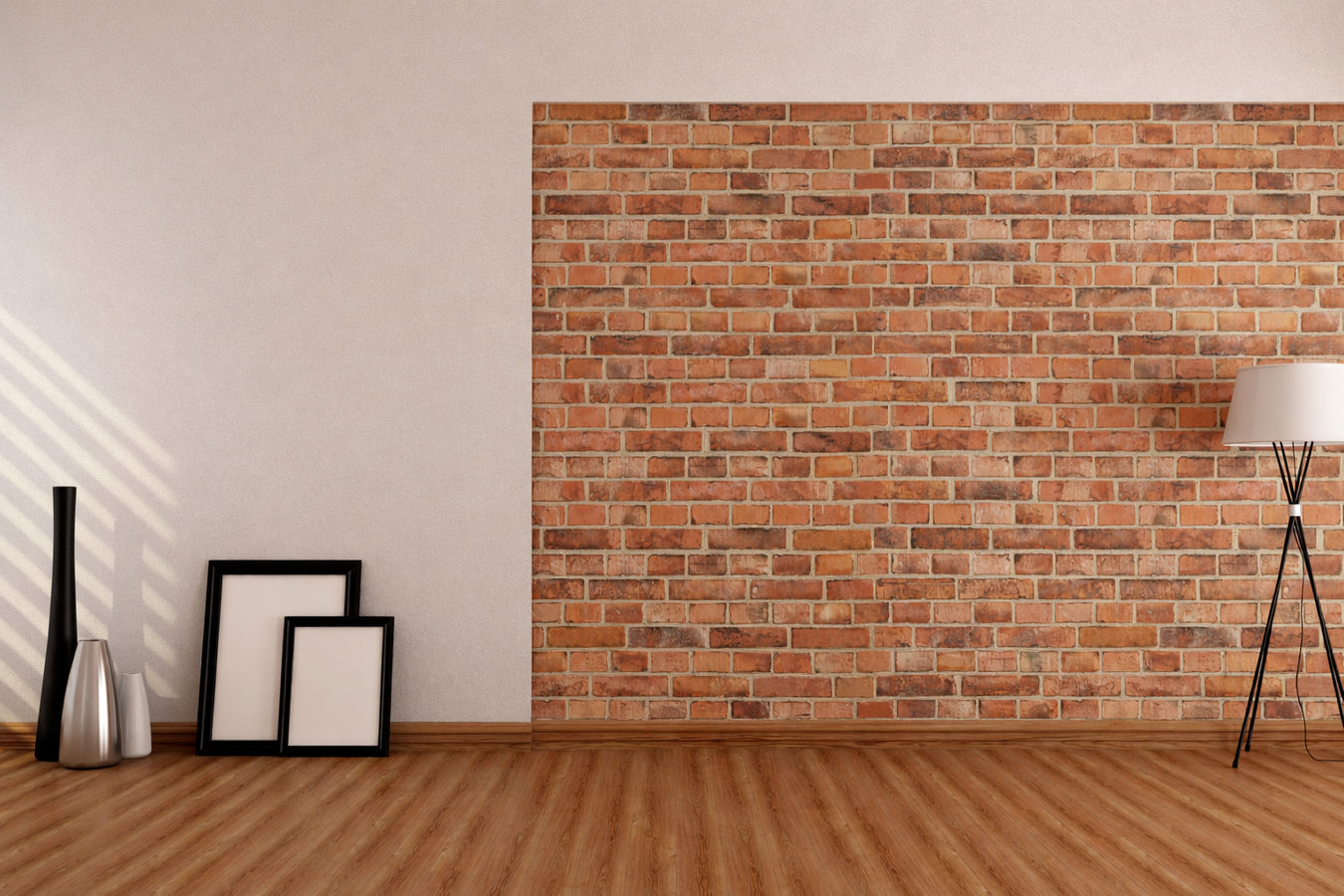
Grand Terrace homes built in the 1960s through 1990s often have aging block and brick boundary walls that have shifted with decades of clay soil movement. Our brick wall installation service handles new walls and full rebuilds with deep concrete footings that account for how the ground moves under Grand Terrace lots.
Hillside lots near Blue Mountain are common in Grand Terrace, and a failing retaining wall on a sloped property is a safety issue, not just a cosmetic one. We build and rebuild retaining walls with proper drainage and footings sized to hold saturated clay soil after Inland Empire rain events.
Block walls define property lines across most Grand Terrace neighborhoods, and many of the ones built in the 1970s and 1980s are now cracking or leaning from years of soil movement. We repair damaged sections and install new CMU block walls that meet current San Bernardino County building standards.
The clay soils under Grand Terrace homes expand in wet winters and shrink through dry summers, and that seasonal movement is one of the leading causes of foundation cracks in this part of San Bernardino County. We assess and repair foundation cracking before water intrusion turns a manageable problem into a much larger one.
Grand Terrace summers push past 100 degrees Fahrenheit for weeks at a time, which dries out mortar joints faster than in coastal California climates. We repoint crumbling joints and replace deteriorated bricks on walls, planters, and steps before the damage spreads to the surrounding masonry.
Most Grand Terrace homes have concrete or paver walkways that were installed when the house was built and have not been replaced since. Root damage from mature trees and clay soil movement are the two most common reasons walkways crack and shift here - we assess the cause before we start work so the new surface lasts.
Grand Terrace covers just under 3.5 square miles, and the bulk of its housing stock was built between the 1960s and 1990s - which means most brick walls, block walls, and concrete flatwork in the city are now between 30 and 60 years old. That age range puts a lot of masonry right at the point where mortar joints are breaking down, clay soil movement has had decades to shift footings, and Santa Ana wind events have worked on exposed surfaces through every fall and winter. A contractor who does not account for these conditions when building or repairing masonry here will produce work that fails early.
The hillside neighborhoods near Blue Mountain add another layer of complexity. Sloped lots collect water differently than flat ones, and retaining walls on these properties need drainage that actually works - not just gravel dumped behind the wall at the last minute. The expansive clay soil under many Grand Terrace lots compounds the issue: as documented by the USDA Web Soil Survey, clay-heavy soils in this part of San Bernardino County are among the most expansive in Southern California, and masonry work that ignores this will crack and shift regardless of how carefully the visible work is done.
Our crew works throughout Grand Terrace regularly, and we understand the local conditions that affect masonry work here. We pull permits through the Grand Terrace City Hall building department and are familiar with the city's requirements for masonry wall heights, retaining wall setbacks, and footing depths. The combination of compact lot sizes, clay soil, and hillside terrain in parts of the city means there is no one-size-fits-all approach to footings here - we assess conditions at each site before committing to a plan.
Barton Road is the main corridor most Grand Terrace residents use daily, and the neighborhoods off Barton Road closest to the I-215 freeway have the densest concentration of the city's older housing stock. Richard Rollins Park is a landmark most residents know, and the streets around it have some of the original 1960s and 1970s properties where brick planters and boundary walls are showing the most wear. We have worked on homes in both the flat sections of Grand Terrace and the sloped streets that climb toward Blue Mountain.
We also serve neighboring communities. If you are in San Bernardino just north of Grand Terrace along the I-215 corridor, we cover that area as well. Residents of Colton, which borders Grand Terrace to the west, can also reach us for the same services.
Reach us by phone or through the contact form - we respond to all Grand Terrace inquiries within one business day. You do not need to have dimensions or specs ready; we gather that information at the site visit.
We come to your property, look at soil conditions, measure the work area, and check footing requirements. The estimate covers all costs - materials, labor, and permits - so there are no surprises once we start.
If the job requires a Grand Terrace building permit, we handle that application before work begins. Most standard masonry permits are reviewed within one to two weeks, and we keep you informed of the timeline throughout.
We complete the masonry work, schedule any required city inspections, and clean up the site before we leave. Most residential jobs in Grand Terrace are done in two to four days of active work on site.
We serve Grand Terrace homeowners with free on-site estimates and no-pressure quotes. Call us or fill out the form and we will respond within one business day.
(909) 546-5159Grand Terrace is a small city in San Bernardino County with a population of around 12,000 residents. It covers a compact footprint of just under 3.5 square miles, which gives it a tight neighborhood feel uncommon in the sprawling Inland Empire. The I-215 freeway runs along the city's western edge, making it accessible to both San Bernardino and Riverside, but most of the city itself is quiet residential streets. Barton Road is the main commercial spine, and the civic center near City Hall serves as the community's public hub. About 65 to 70 percent of Grand Terrace housing units are owner-occupied, which reflects the long-term stake residents have in maintaining their properties. Learn more about the city from the City of Grand Terrace.
The housing stock in Grand Terrace is almost entirely single-family detached homes, with a construction era that spans mainly from the 1960s to the 1990s. Ranch-style and traditional single-family homes are the dominant styles, most with stucco exteriors, concrete driveways, and block wall property lines. The eastern side of the city climbs toward Blue Mountain, creating sloped lots with views and terrain that differs significantly from the flatter western neighborhoods near the freeway. Both housing types have masonry maintenance needs, but the hillside lots near Blue Mountain add retaining wall complexity that flat-lot properties do not. We also cover nearby Loma Linda, just a few miles to the east along the I-10 corridor.
Build strong retaining walls that hold soil and protect your property.
Learn MoreAdd a stunning, functional fireplace crafted from quality masonry materials.
Learn MoreTransform any surface with natural stone veneer for lasting beauty.
Learn MoreInstall durable block walls that provide a stable foundation for structures.
Learn MoreDesign and build attractive walkways that improve access and curb appeal.
Learn MoreSeal and reinforce mortar joints to protect your brickwork from water damage.
Learn MoreRialto Concrete and Masonry serves Grand Terrace homeowners with honest pricing, permit handling, and masonry work built for Inland Empire conditions - call now or submit your project details online.