Loading...
Serving Rialto, CA and surrounding areas. (909) 546-5159
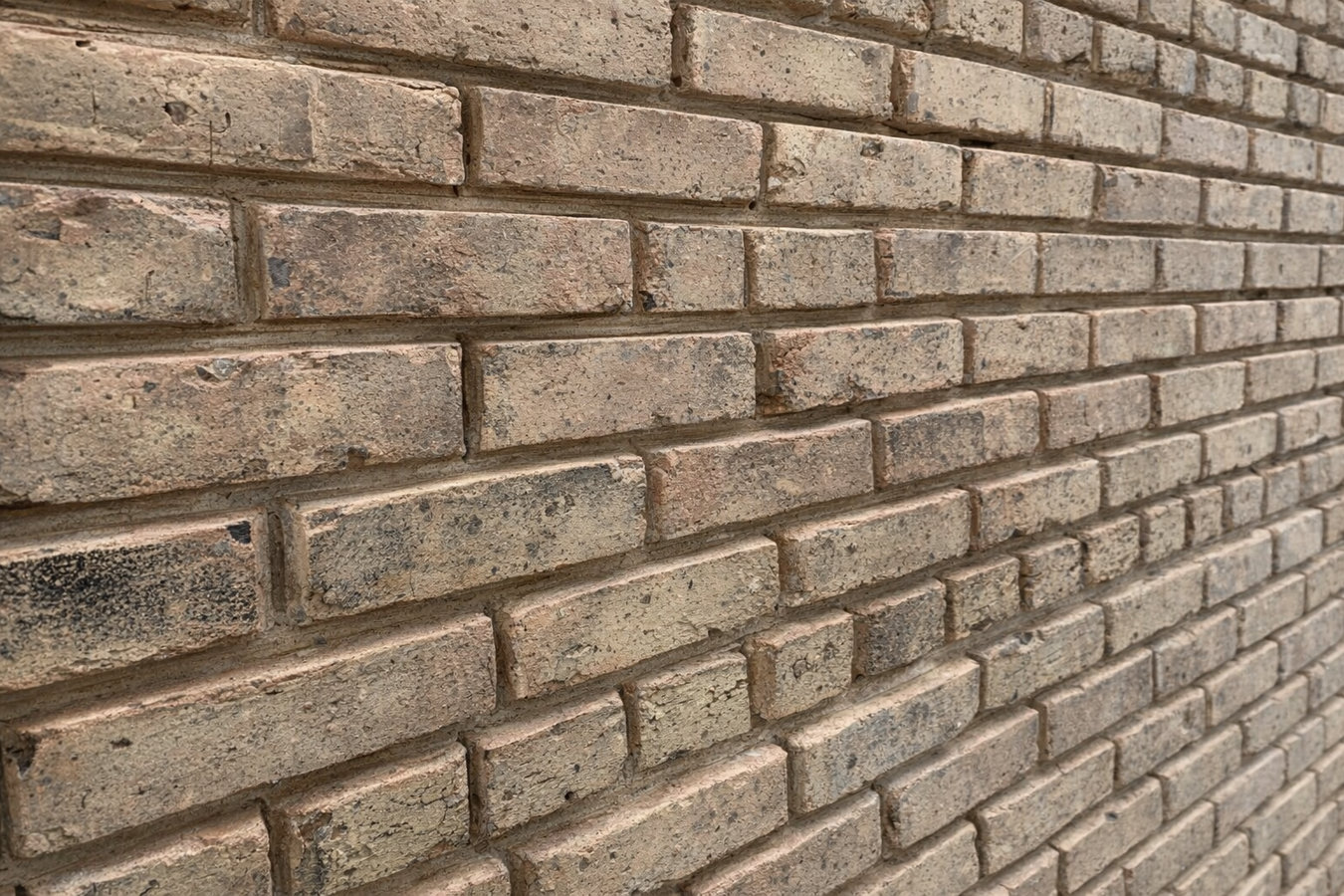
Crumbling mortar between your bricks lets water in fast. We remove the damaged material, pack in properly matched mortar, and leave your walls sealed and solid.
Tuckpointing in Rialto means cutting out the old, crumbling mortar between your bricks or blocks and packing in fresh mortar that matches your existing joints. Most jobs on a single-family home take one to three days, and the finished wall is sealed against moisture, insects, and air movement.
The Inland Empire climate is hard on mortar. Rialto summers regularly top 100 degrees Fahrenheit, and that dry heat causes mortar joints to dry out and crack faster than they would near the coast. Once a joint fails, water finds its way in - and in winter, even modest rain can drive moisture behind the wall fast. If you have a block fence, brick chimney, or veneer wall that looks a little rough around the joints, the problem is almost certainly mortar.
If a wall has shifted or bricks themselves are cracked or spalled, you may need brick repair alongside or instead of tuckpointing. We look at both during every estimate so you know exactly what the wall needs.
Run your finger along the joints between your bricks or blocks. If the mortar feels soft, sandy, or breaks away with light pressure, it is no longer doing its job. Healthy mortar should feel hard. This surface crumbling is common in Rialto's dry climate, where mortar dries out faster than it would near the coast.
If you can see daylight or open space in the joints, water and insects already have a way in. Even a gap the width of a pencil is enough for moisture to work behind the wall during Rialto's occasional heavy winter rains. Small gaps are cheap to fix; large ones are not.
That chalky white residue is efflorescence - salt left behind when water moves through the wall and evaporates on the surface. Failing mortar joints are the most common entry point for that moisture. In Rialto's climate, this staining often appears after the winter rainy season.
If you noticed new hairline cracks following the mortar joints after a small earthquake, the joints have been weakened by seismic movement. The Inland Empire's proximity to active fault lines means this happens more than homeowners expect. Catching it before the next rainy season is the right move.
Our core tuckpointing work covers mortar joint removal and repointing on block fences, brick chimneys, exterior veneer walls, garden walls, and retaining structures. We grind or chisel out the old mortar to the correct depth, clean the joint thoroughly, then pack in fresh mortar and tool it to match the original joint profile. If your wall has decorative two-color joints, we handle that finish as well.
When mortar joints are failing on multiple areas of a wall, we also assess whether individual bricks need attention. Our brick repair service handles spalled, cracked, or missing bricks, and can often be combined with tuckpointing in a single visit. For walls where mortar joints are deteriorating all the way through the structure, our brick pointing service covers deeper joint restoration to fully reseal the wall.
Best for walls where the mortar is crumbling or pulling away but the bricks themselves are intact.
Suited for decorative brick walls where the original finish used contrasting mortar colors for visual depth.
Designed for chimneys exposed to heat from below and sun and wind from above - a combination that deteriorates mortar faster than other surfaces.
Rialto sits in the Inland Empire, where summer temperatures regularly climb above 100 degrees Fahrenheit and humidity stays very low most of the year. That dry heat pulls moisture out of mortar joints and accelerates cracking - a process that happens much faster here than in cooler coastal cities. Large portions of Rialto were built between the 1950s and 1980s, and many of those homes have brick chimneys, block fences, and veneer walls with original mortar that is now 40 to 70 years old. That mortar was often softer and more lime-based than modern mixes, which means matching the replacement material correctly is important to avoid damaging the original brick. According to the National Park Service Preservation Briefs, using a mortar that is harder than the original masonry is one of the most common causes of brick damage in repair work.
The Inland Empire also sits near active fault systems, and even small tremors can gradually open hairline cracks in mortar joints over time. Homeowners in Fontana and San Bernardino deal with the same conditions, and we work across the region regularly. If your mortar joints have been stressed by seismic activity and you want them inspected before the next rainy season, calling us for an estimate is the right first step.
We will ask a few basic questions - where the problem is, the age of your home, and whether you have noticed any water damage inside. We respond within one business day and schedule a free on-site estimate at a time that works for you.
We walk the wall with you, check the condition of your joints and brick, and note hard-to-reach areas or sections that need more than mortar work. You get a written estimate before any work is agreed to - this is the right time to ask what mortar mix we plan to use and why.
We grind or chisel out the old mortar and work in sections so fresh mortar does not dry too fast in Rialto's heat. In summer we start early in the morning. New mortar is packed in by hand and tooled to match the original joint profile.
We clean the work area and walk you through the finished wall before leaving. Fresh mortar needs 24 to 48 hours before it should get wet, and reaches full strength over the following few weeks. We tell you exactly what to do and what to avoid.
Free estimate. Written quote. No pressure. We respond within one business day.
(909) 546-5159Many Rialto homes from the 1960s and 1970s were built with softer, lime-based mortar. We look at your existing mortar and brick before recommending a mix - using a mortar that is too hard can cause the original brick to crack over time. Getting this right is the most important part of the job.
Fresh mortar cured in extreme heat bonds poorly and cracks early. During summer months we schedule tuckpointing jobs for early morning starts and work in sections to protect the cure. This extra step protects the quality of the finished work - not just how it looks on day one.
You get a written quote that breaks down the cost before we touch anything. No surprises on the invoice and no work done that you did not understand and agree to. If we find additional issues during the job, we tell you before we address them.
We hold a current California contractor's license covering masonry work. You can verify any contractor's license on the California Contractors State License Board website at{' '} cslb.ca.gov - it takes about two minutes and confirms the license is active and covers the work being done.
Getting tuckpointing right in Rialto comes down to two things: matching the mortar correctly to your existing masonry and curing it carefully in a climate that does not make that easy. That is what we focus on with every job, whether it is a single chimney or a full exterior wall.
For cracked, chipped, or missing bricks that go beyond mortar joint failure - we replace or patch individual bricks to restore the wall's structure and appearance.
Learn MoreDeeper joint restoration for walls where mortar has deteriorated all the way through - fully resealing the structure from the inside out.
Learn MoreFailing mortar only gets worse through summer heat - the sooner it is sealed, the less it costs to fix.