
Loading...
Serving Rialto, CA and surrounding areas. (909) 546-5159
Rialto Concrete and Masonry is a masonry contractor serving Rancho Cucamonga, CA with stone veneer installation, block wall repair, and driveway and foundation work for homes across the city - and we have been working throughout the Inland Empire since 2020, handling jobs on homes from the foothills neighborhoods in Alta Loma down to the newer tracts near the 10 Freeway.
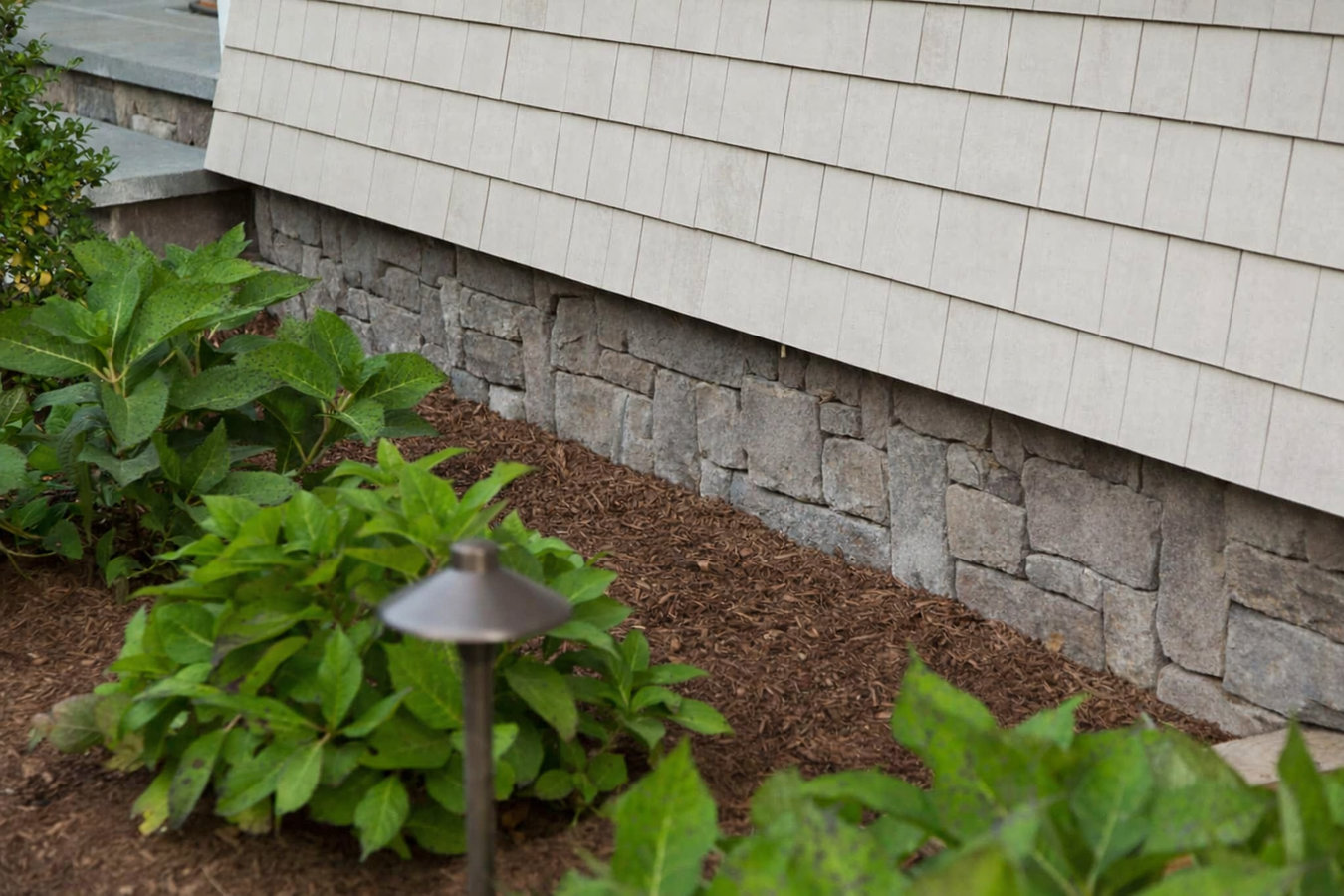
Rancho Cucamonga homes built in the 1980s and 1990s often have plain builder-standard stucco exteriors that were designed to be upgraded. Stone veneer on a focal wall - the entryway, the garage surround, or a garden wall - changes how the home reads from the street without a full re-exterior. Our stone veneer installation includes a proper moisture barrier and mortar suited to the Inland Empire's heat so the veneer holds through the region's thermal cycles for decades.
Block perimeter walls installed with the housing tracts of the late 1970s and 1980s are now 40 to 50 years old in many Rancho Cucamonga neighborhoods. The original footings in much of that era's construction were shallow by modern standards, and decades of clay soil movement have been working on them ever since. We assess the footing condition before recommending a repair versus a rebuild, so you are not paying for patch work that will need to be redone in a few years.
With most of the city's housing built between the late 1970s and mid-1990s, a large share of Rancho Cucamonga driveways are original concrete that has been through 30 to 45 years of Inland Empire clay soil movement. Paver installations handle that soil movement better than a solid slab because individual units can shift without cracking, and a section that sinks can be lifted and reset without tearing out the whole driveway.
Homes in the Alta Loma and Etiwanda sections of Rancho Cucamonga - some built as early as the 1960s - sit on larger lots with mature trees whose roots can put real pressure on foundations and concrete flatwork. We diagnose whether a crack or settlement issue is from root pressure, soil movement, or drainage before we quote a repair, so the recommendation addresses the actual cause and not just the symptom.
Properties in the northern foothills neighborhoods of Rancho Cucamonga often have graded lots with terrain changes that require retaining walls to manage soil and drainage. A wall without proper drainage behind it accumulates water pressure during winter rains and will eventually bow or fail. We build retaining walls with drainage systems integrated from the start - not added as an afterthought.
Many homes in Rancho Cucamonga from the 1980s have brick accent features - chimney caps, planter walls, and entryway columns - that have been through Santa Ana wind events and hundreds of thermal cycles without maintenance. Crumbling mortar joints are the first sign of a problem that will get worse quickly once winter rain finds the gap. We repoint joints and replace damaged brick so the repair lasts through the region's climate without requiring attention again in a few years.
Rancho Cucamonga was incorporated in 1977 and built out quickly through the 1980s and into the mid-1990s. That means the vast majority of the city's housing stock - which leans heavily toward single-family stucco homes on 6,000 to 10,000 square foot lots - is now 30 to 45 years old. At that age, a lot of the original construction work is reaching the end of its practical service life at the same time: concrete driveways and walkways that were poured during development, block perimeter walls installed alongside the homes, and mortar joints in brick features that have been through decades of the Inland Empire's thermal stress without maintenance. The homes up in the Alta Loma and Etiwanda foothills are older still, with some built in the 1960s and early 1970s on larger lots with original drainage and concrete systems that are now 50 or 60 years old. A contractor working in this city cannot apply the same approach to a 1980s-era tract home near the I-15 and a 1965 foothills property with half-acre lots and mature trees - the soil, the drainage, and the original construction methods are different enough to change the repair.
The climate compounds the pressure on every masonry surface in the city. Summer temperatures regularly reach 95 to 105 degrees Fahrenheit, and the sun exposure at the base of the San Gabriel Mountains is intense enough to degrade mortar, bleach stucco, and dry out caulking faster than in coastal areas. The expansive clay soils common throughout the Inland Empire swell when winter rain arrives and shrink back when the long dry season reasserts itself - a cycle that puts ongoing pressure on driveways, block walls, and foundations year after year. Santa Ana wind events, which hit Rancho Cucamonga directly every fall and can gust above 60 mph through the mountain passes above the foothills neighborhoods, regularly damage chimney caps, loose coping, and any masonry that was not built with those lateral forces in mind. Addressing wind damage promptly - before the first winter rain - is consistently the less expensive path.
Our crew works throughout Rancho Cucamonga regularly, and we pull permits through the City of Rancho Cucamonga Building and Safety Services for structural masonry jobs - including block walls and retaining walls that require California seismic reinforcement. We are familiar with what local plan checkers look for on footings and drainage, which means fewer back-and-forth delays on permit approval.
We work across all parts of the city - from the foothills neighborhoods in the historic Alta Loma area north of Foothill Boulevard, where older homes sit on larger lots with original drainage and mature trees, to the flatter residential tracts south of the I-10 near the Metrolink station, where post-1990 homes are reaching the age range where concrete flatwork and block walls first need attention. Victoria Gardens sits near the center of the city and marks the divide between the older northern neighborhoods and the newer southern development. Historic Route 66 runs through the city along Foothill Boulevard and anchors a strip of older commercial and residential buildings with masonry details that require careful matching work.
We also serve neighboring Upland to the west, where housing ages and soil conditions are similar to those in the foothills sections of Rancho Cucamonga. To the south, Ontario is a neighboring city we serve regularly - if your project is near the border or you have a neighbor who needs the same work, we can cover both in a single visit.
Get in touch by phone or through our contact form. We respond within 1 business day and schedule a time to visit the property - no commitment required upfront.
We walk the property, check the soil, drainage, and existing masonry conditions, and give you a written estimate that breaks out materials, labor, and any permit fees. We do not quote structural work over the phone - conditions in the foothills differ from those in the flatter southern tracts, and the right footing depth depends on what we see on your lot.
We pull the permits and schedule the crew around your calendar. Active construction on a standard Rancho Cucamonga residential job runs two to four days. We schedule exterior masonry work for early morning during summer months to keep mortar curing conditions consistent - heat management is part of how we deliver work that lasts.
When the work is complete, we walk it with you, answer any questions, and clear all materials and debris before we leave. If anything does not meet the standard discussed at the estimate, we address it on the spot.
We serve homeowners across Rancho Cucamonga - from the Alta Loma foothills to the newer tracts near the 10 Freeway. Reach out and we will respond within 1 business day.
(909) 546-5159Rancho Cucamonga is one of the larger cities in San Bernardino County, with roughly 177,000 residents spread across a city that stretches from the flatter I-10 corridor in the south to the foothills below Cucamonga Peak in the north. The city was incorporated in 1977 and built out quickly, absorbing the older communities of Alta Loma and Etiwanda into a single incorporated city. Those northern neighborhoods retain a distinct character - larger lots, horse properties in some sections, mature trees, and homes that predate the city's incorporation by a decade or more. The flatter southern sections near Victoria Gardens and the I-15 were developed more recently and have the denser, more uniform character typical of 1990s and early 2000s master-planned tracts. The city's connection to Historic Route 66, which runs through the city along Foothill Boulevard, adds a layer of older commercial and residential buildings along that corridor that often require careful masonry matching work when repairs are needed.
About 65 percent of housing units in Rancho Cucamonga are owner-occupied, which is above the California average. Homeowners here tend to invest in their properties and stay put for years - which means masonry jobs in this city are typically about protecting and improving a real long-term investment, not just a quick patch before a sale. The city borders Upland to the west, where similar foothills conditions and housing ages create comparable masonry needs. To the south, Ontario shares the same soil conditions and a similar range of housing eras, from early 20th-century homes near its historic core to newer suburban tracts on its edges.
Build strong retaining walls that hold soil and protect your property.
Learn MoreAdd a stunning, functional fireplace crafted from quality masonry materials.
Learn MoreTransform any surface with natural stone veneer for lasting beauty.
Learn MoreInstall durable block walls that provide a stable foundation for structures.
Learn MoreDesign and build attractive walkways that improve access and curb appeal.
Learn MoreSeal and reinforce mortar joints to protect your brickwork from water damage.
Learn MoreCall us or send a message today. We serve homeowners throughout Rancho Cucamonga and respond within 1 business day.